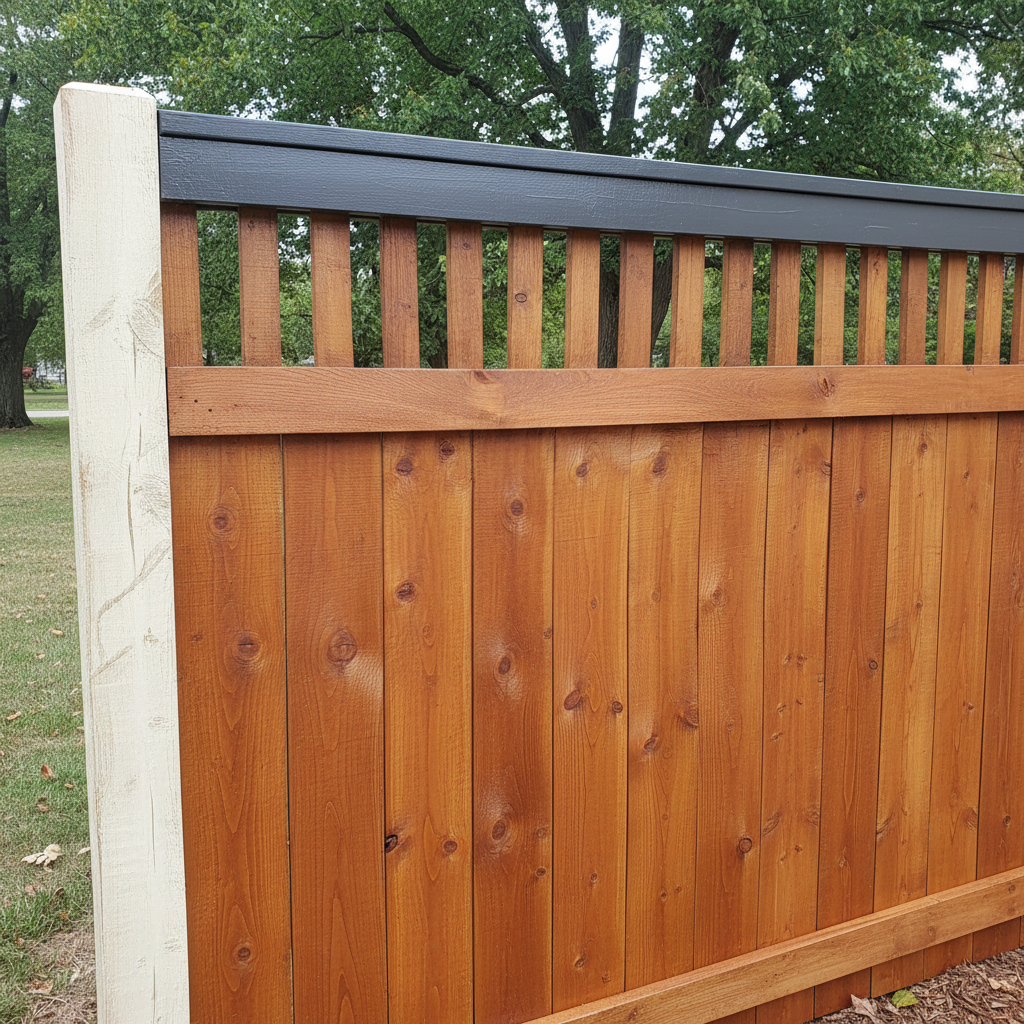
Alright, let's talk about sprucing up that fence. You're looking at your weathered wood or faded paint and thinking, "Can I just do this myself?" The short answer is, maybe. But there's a lot more to it than just slapping on some stain or paint.
Before You Even Think About Opening a Can
First things first, what kind of shape is your fence in? If it's falling apart, leaning, or got a bunch of rotten posts, you're not staining or painting anything. You're repairing or replacing. Get those structural issues sorted out first. A fresh coat on a crumbling fence is like putting lipstick on a pig – it doesn't solve the real problem.
Next, figure out what you're dealing with. Is it a brand new fence, never treated? Or has it been stained or painted before? This makes a huge difference. If it's new, you'll want to wait a bit for the wood to dry out and open up its pores, usually a few weeks to a month after installation, especially with our humid Lincoln summers. If it's an old fence, you've got to deal with whatever's on there already.
- New Wood: Clean it, let it dry completely, then you're good to go with stain or paint.
- Previously Stained: If the old stain is in good shape, you might just need a good cleaning and a fresh coat of the same type of stain. If it's peeling or flaking, you're looking at stripping or sanding, which is a big job.
- Previously Painted: This is the trickiest. Paint tends to peel and chip. You'll almost certainly need to scrape, sand, and prime. Painting over old, peeling paint is a waste of time and money.
Also, consider the weather. You don't want to do this when it's too hot, too cold, or too windy. And definitely not if rain is in the forecast. Here in Lincoln, spring and fall usually give us the best windows for this kind of work – mild temperatures, lower humidity. Just watch out for those sudden thunderstorms.
During the Project: What You'll Be Doing
Okay, let's say your fence is sound and prepped. Now for the actual application. Here's what you're in for:
- Cleaning: Power washing is usually the way to go. Be careful not to use too much pressure, especially on older wood, or you'll damage it. You can also use a good fence cleaner solution. Let it dry for at least 24-48 hours.
- Repair & Sanding: Fill any cracks or holes. Sand down rough spots, especially if you're painting. For staining, sanding helps the wood absorb evenly.
- Application: Brushes, rollers, or sprayers. Brushes give you the most control and best penetration, especially for stain. Rollers are faster for flat surfaces. Sprayers are super fast but require more masking and can be messy if you don't know what you're doing. If you're spraying, make sure you protect your neighbor's car, your house, and those prized hostas. Overspray is a real pain to clean up.
- Multiple Coats: Most stains and paints will recommend two coats for best results and longevity. Make sure you let the first coat dry completely before applying the second.
This is where the DIY vs. Pro decision really comes into play. If you've got a small fence, say around a patio, and you're just doing a simple re-stain, you can probably handle it. But if you've got a long perimeter fence, especially one with lots of nooks and crannies or intricate designs, you're looking at days of work. It's tedious, back-breaking, and if you rush it, it'll show.
After It's Done: The Payoff and Maintenance
Once your fence is stained or painted and fully dry, step back and admire your handiwork. It's a satisfying feeling, isn't it? But don't forget about maintenance.
Keep an eye on it. Depending on the product you used and how much sun and weather it gets, you'll probably need to re-stain every 3-5 years, maybe longer for good quality paint. Our Nebraska weather, with its harsh winters and hot summers, can really take a toll on exterior finishes. You'll notice fading, especially on the south-facing side, or some minor peeling. Catching these issues early makes the next maintenance job much easier.
When to Call Valley Fencing Co. (or another pro)
Look, I'm all for homeowners tackling projects they can handle. It saves money and builds pride. But there are times when it just makes sense to call in the cavalry.
- Big Jobs: If your fence is really long, or you've got a complex design, you'll save yourself a ton of time and effort. We've got the right equipment and crews to get it done efficiently.
- Lead Paint Concerns: If your old fence has really old paint, it might contain lead. That's not something you want to mess with yourself.
- Stripping/Heavy Prep: If your fence needs extensive stripping, heavy sanding, or significant repairs before it can even be stained or painted, that's a job for someone with the right tools and experience.
- Time is Money: If you value your weekends more than the money you'd save, or you just don't have the time, that's a perfectly valid reason to hire it out.
Ultimately, it's your call. But I hope this gives you a clearer picture of what you're getting into. A well-maintained fence not only looks great but also lasts longer, protecting your investment. If you decide it's more than you want to chew off, give us a ring at Valley Fencing Co. We're always happy to help our neighbors here in Lincoln.