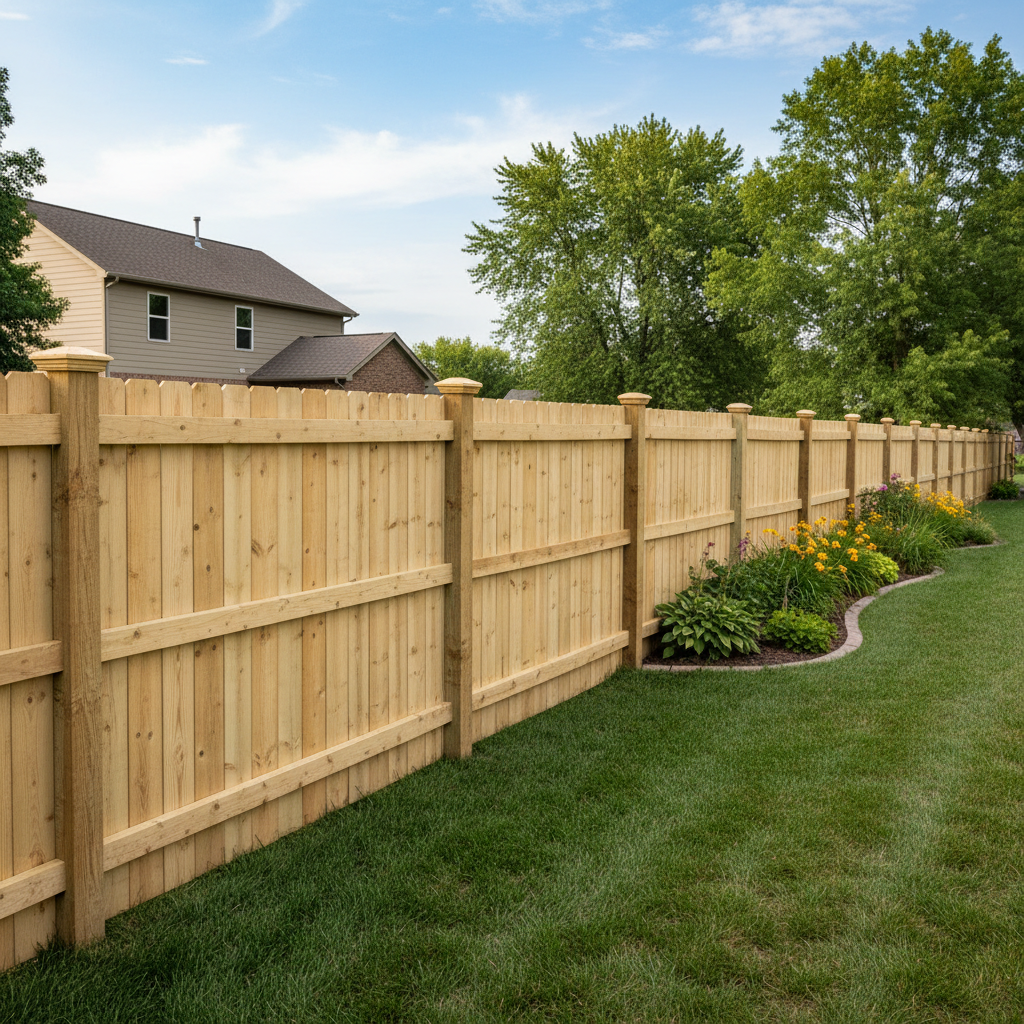
A good wood fence isn't just about privacy or curb appeal; it's an investment in your home. You want that investment to pay off for years, right? Well, that means giving it a little attention. I've seen countless fences around Lincoln, from the older homes in the Near South neighborhood to the newer builds out east, and the ones that last are the ones that get cared for.
Extend Your Wood Fence's Lifespan
The biggest enemy of a wood fence in Nebraska isn't usually a storm, it's neglect. Our climate here in Lincoln throws a lot at wood: scorching summers, brutal winters with freeze-thaw cycles, and everything in between. Here’s what I tell folks to focus on to get the most out of their fence.
- Proper Sealing or Staining: This is your fence's first line of defense. A good quality stain or sealant protects the wood from UV rays, moisture absorption, and even helps deter insects. You'll want to reapply it every 3-5 years, depending on the product and how much sun your fence gets. Don't cheap out here; it makes a real difference.
- Good Drainage: Make sure water isn't pooling around the base of your fence posts. Standing water is a death sentence for wood, leading to rot. If you've got areas where water collects, think about regrading a bit or adding some gravel.
- Keep it Clear: Don't let bushes, vines, or trees grow directly against your fence. They trap moisture against the wood, prevent it from drying out, and can even cause physical damage as they grow. Trim them back a foot or two.
Regular Maintenance: What to Look For
You don't need to inspect your fence with a magnifying glass every week, but a quick walk-around a few times a year can save you a lot of headaches and money down the road.
- Clean it Up: Dirt, mildew, and algae can build up, especially on the north-facing sides of your fence that don't get as much sun. A simple wash with a garden hose and a soft brush, maybe some mild soap or a diluted bleach solution, can do wonders. Just be careful with pressure washers; too much pressure can damage the wood fibers.
- Check Fasteners: Nails and screws can work their way loose over time, especially with our temperature swings. Push any protruding nails back in or replace them with deck screws for better holding power. You don't want pickets flapping in the wind.
- Gate Hardware: Gates take a beating. Lubricate hinges and latches annually. Tighten any loose screws on the hardware. A sagging gate isn't just annoying; it puts extra stress on the posts and can lead to bigger problems.
Warning Signs of Trouble
Catching these early is key. Don't ignore them.
- Rot or Decay: This is a big one. Look for soft spots in the wood, especially near the ground or where wood meets wood. Probe with a screwdriver; if it goes in easily, you've got rot. Blackened or discolored wood can also be a sign.
- Loose or Leaning Posts: If a post is wobbly when you push on it, or if you see your whole fence leaning, that's a serious issue. The concrete footing might have failed, or the post itself could be rotted below ground. This is super common around here because of our clay soil expanding and contracting with moisture.
- Cracked or Warped Boards: While some minor cracking is normal as wood ages, excessive warping or large cracks can indicate the wood isn't properly protected or is absorbing too much moisture. It can also be a sign of poor installation if it happens too quickly.
- Insect Damage: Look for small holes, sawdust-like trails (frass), or tunnels in the wood. Termites, carpenter ants, and other pests love to make a meal out of untreated or compromised wood.
When to Call a Professional
Look, I'm all for DIY, but some jobs are best left to the pros. If you see any of those serious warning signs – significant rot, leaning posts, widespread insect damage, or a section of fence that's just falling apart – it's time to call someone like Valley Fencing Co. Trying to patch up a major structural issue yourself can often lead to more expense down the road, or worse, an unsafe fence.
We can assess the damage properly, tell you what’s fixable, and what needs replacing. Sometimes it's just a few pickets, sometimes it's a whole post, and sometimes it's time for a new section. Getting an expert opinion early can save you a lot of hassle and ensure your fence stands strong for many more years to come.
```