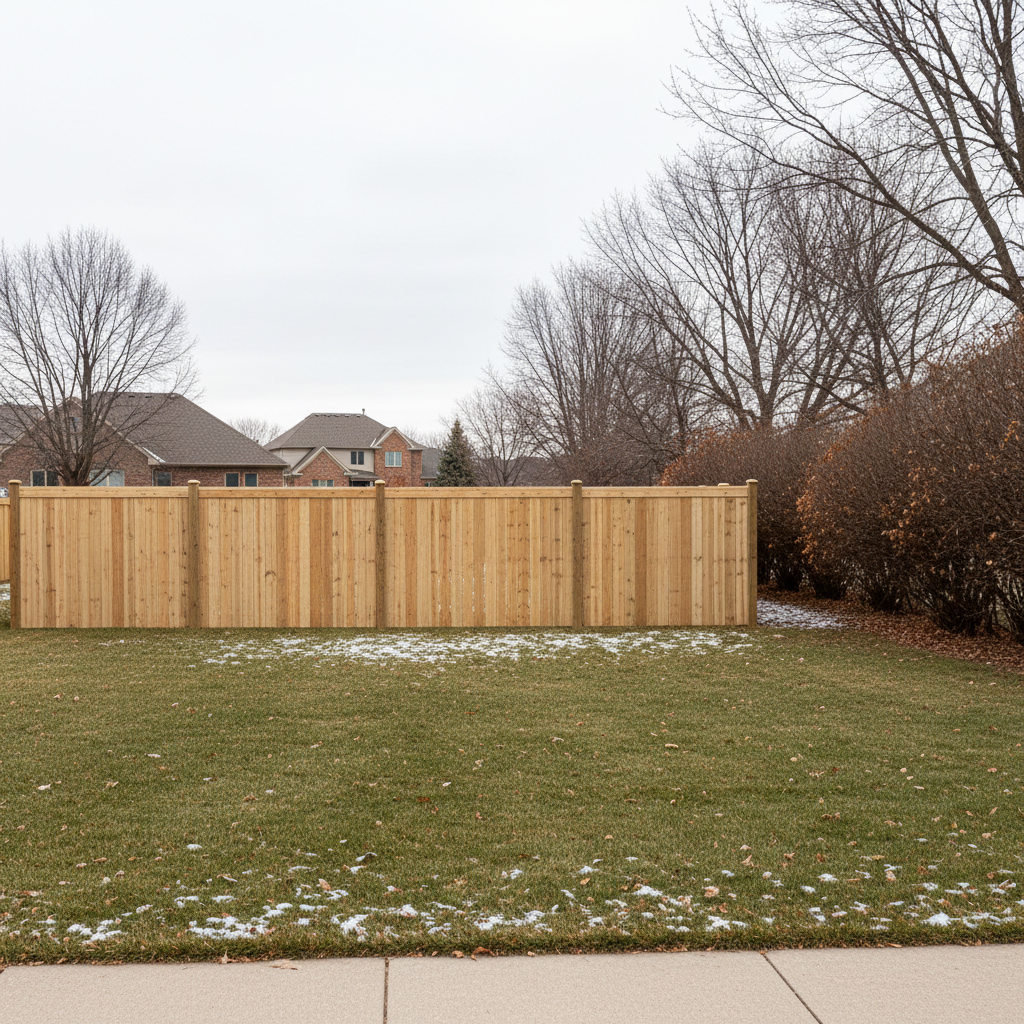
A new wood fence can really transform your yard, add privacy, and boost your home's curb appeal. But if you live here in Lincoln, you know our weather isn't always the kindest to outdoor structures. That's why timing your installation right and knowing how to protect your investment year-round is so important. I've been building fences around here for years, and I've seen what works and what doesn't.
When's the Best Time to Install a Wood Fence in Lincoln?
Honestly, you can install a fence pretty much any time of year, but some seasons are definitely better than others for wood. Each season has its own set of pros and cons, especially when you're dealing with our Nebraska climate.
Spring (April-May): This is often ideal. The ground has thawed, making digging post holes a lot easier than in winter. We usually get some good moisture, which helps the soil settle around the posts nicely. Plus, you get to enjoy your new fence all summer long. The only downside is that spring can be a busy time for contractors, so you'll want to schedule well in advance.
Summer (June-August): Still a great time. Long daylight hours mean crews can work efficiently. The ground is typically dry and workable. The main challenge here is the heat. We've had some brutal summers in Lincoln, and working in 90-degree-plus weather with high humidity is tough on the crew and can make some materials a bit harder to handle. We also need to be mindful of sudden thunderstorms that can pop up and delay work.
Fall (September-October): Another excellent window. Temperatures are usually milder, which is comfortable for the crew and good for materials. The ground is still soft enough to dig. You avoid the summer rush and still get your fence up before the deep freeze. This is probably my personal favorite time to install.
Winter (November-March): This is where it gets tricky. We *can* install fences in winter, but it's more challenging. Digging post holes in frozen ground is a beast. We often have to use special equipment or techniques to break through, which can add to the cost and time. The cold can also affect how some materials behave, like concrete curing slower. If you're in a pinch and need a fence in winter, we can do it, but it's not usually the first choice for wood fences.
Weather Conditions That Impact Installation
Beyond the season, specific weather conditions can really affect how smoothly your fence installation goes. We always keep an eye on the forecast for a few reasons:
Rain: A little drizzle isn't a problem, but heavy, continuous rain turns the job site into a muddy mess. It makes digging harder, can compromise concrete mixes if they get too diluted, and just generally slows everything down. We'll often reschedule if a big rainstorm is expected.
Wind: Lincoln is known for its wind, right? Trying to set tall fence panels in high winds is not only difficult but also dangerous. It makes it tough to get things perfectly plumb and secure. We'll pause or reschedule if the winds are too strong.
Extreme Cold: As I mentioned, frozen ground is a major hurdle. Concrete also needs certain temperatures to cure properly. If it's too cold, the concrete won't reach its full strength, which is crucial for holding your posts securely.
Extreme Heat: While less of an issue for the fence itself, extreme heat can be a safety concern for the crew. We take precautions, but sometimes it's just too hot to work safely and efficiently.
Protecting Your Wood Fence Investment Year-Round
Getting your fence installed at the right time is only half the battle. To make sure it lasts and looks good for years, you've got to take care of it. Wood is a natural material, and it needs a little love, especially with our wild temperature swings and heavy snowfalls here in Lincoln.
Staining and Sealing: This is probably the most important thing you can do. A good quality stain and sealant protects the wood from UV rays, moisture, and rot. I usually recommend doing this within a few months of installation, once the wood has had a chance to dry out and acclimate. Then, plan to reapply every 2-5 years, depending on the product and how much sun exposure your fence gets. Don't skip this step; it's your fence's first line of defense.
Regular Cleaning: Dirt, mildew, and algae can build up on your fence. A simple wash with a mild detergent and a soft brush or a low-pressure power washer (be careful not to damage the wood!) can keep it looking fresh. Do this once a year, usually in the spring.
Check for Damage: Walk your fence line a couple of times a year. Look for loose boards, wobbly posts, or any signs of rot or insect damage. Catching these issues early can save you a lot of money and hassle down the road. Pay special attention to the bottom of the posts where they meet the ground – that's often where rot starts, especially in areas with poor drainage or where the ground stays wet, like some of the older, lower-lying neighborhoods near Salt Creek.
Trim Vegetation: Keep trees, shrubs, and vines from growing directly on or into your fence. They can trap moisture, promote rot, and even physically damage the structure. Give your fence some breathing room.
Manage Water: Make sure sprinklers aren't constantly drenching your fence. Good drainage around the fence line is key. If water pools against the base of your posts, it's going to shorten their lifespan significantly.
At Valley Fencing Co., we're all about building fences that last, but a big part of that longevity comes down to how you maintain it. If you've got questions about timing your installation or need advice on keeping your existing fence in top shape, don't hesitate to reach out. We're always happy to share what we know.